A Beginners Guide to Making Delicious Vegan Yogurt
Making vegan yogurt at home is both simple and rewarding. It needs just a few fundamental ingredients and a bit of patience. By picking the right non-dairy milk and yogurt starter, one can create a creamy texture and tangy flavor. However, there are fine points in the process that can impact the final product. Knowing these details can make all the difference in crafting the perfect batch of yogurt. What are the key steps to assure success?
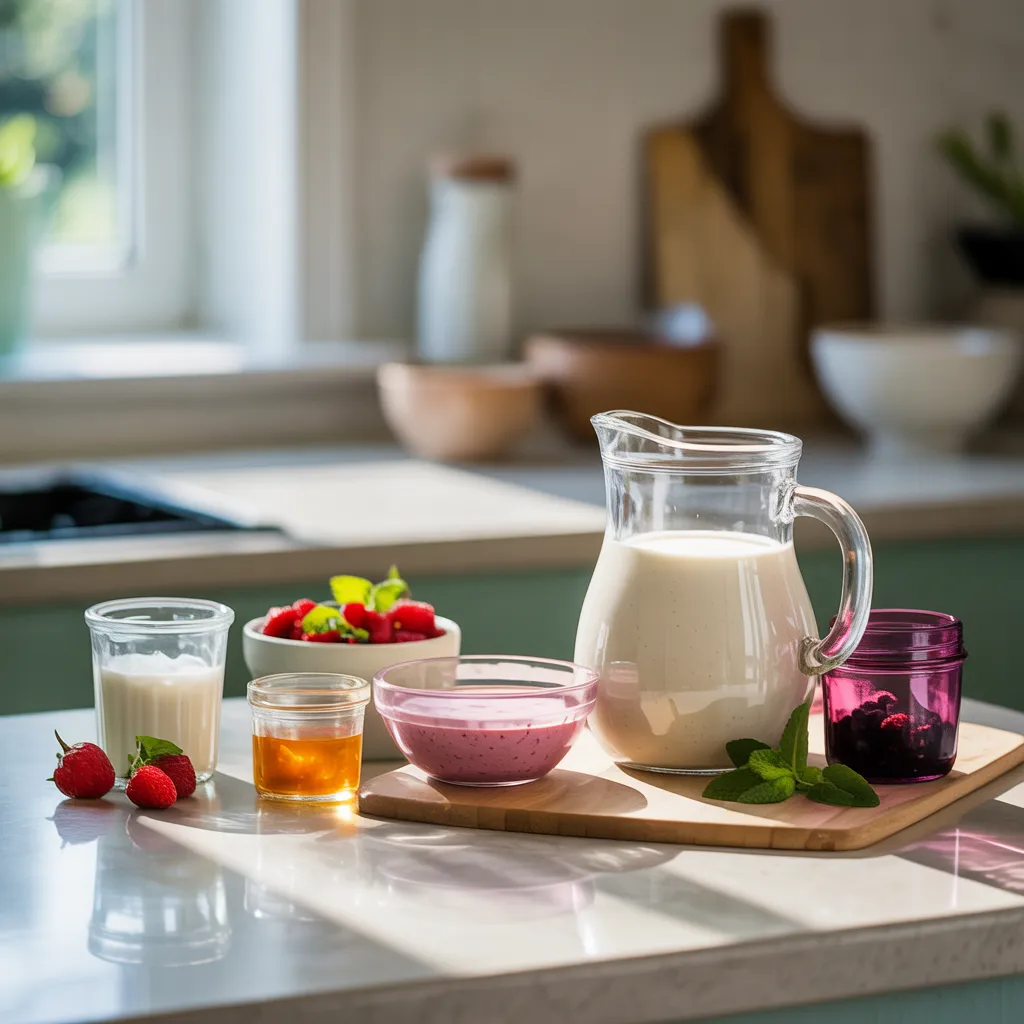
Complete Guide to Making Vegan Yogurt
Making vegan yogurt begins with choosing the appropriate base, typically non-dairy milk like almond, coconut, or soy. This choice affects the yogurt's flavor and texture. After the base is picked, it should be warmed gently to around 110°F, which is the ideal temperature for fermentation. Subsequently, the non-dairy milk is mixed with a yogurt starter that contains live cultures; this is essential for obtaining the desired tangy flavor and creamy consistency.
When the mixture is mixed, it must be incubated in a warm environment for several hours, usually between 4 to 24 hours, depending on desired level for tartness. During this process, the live cultures ferment the sugars in the milk, transforming it into yogurt. After incubation, the yogurt can be placed in the refrigerator to stop fermentation. This simple process permits individuals to savor a healthy, dairy-free alternative to traditional yogurt.
Fundamental Elements for Plant-Based Yogurt
Creating vegan yogurt demands a few key ingredients that determine its taste and texture. The base usually is made from plant-based milk, with options such as almond, coconut, soy, or oat milk being widely-used selections. Each type of milk offers unique flavors and creaminess levels, affecting the final product.
Following this, a thickening agent is vital to obtain a desirable consistency. Popular thickeners include agar-agar, tapioca starch, or cashews, which work to produce a creamy texture.
Probiotics play an important role in fermentation, promoting the cultivation of beneficial bacteria. They can be acquired from dedicated probiotic capsules or store-bought vegan yogurt that contains live cultures.
In conclusion, flavoring agents and sweeteners, including maple syrup, vanilla extract, or fruit purees, can be included to improve the yogurt's taste profile. By selecting these essential ingredients carefully, one can make a delicious vegan yogurt suited to individual tastes.
Methods to Boost Taste and Consistency in Your Dairy-Free Yogurt
To elevate the texture and flavor of vegan yogurt, you can utilize multiple methods and components that enhance the overall experience. The use of thickening agents, including agar-agar or gelatin alternatives, can develop a creamier consistency. In addition, blending the base with pre-soaked cashews or coconut cream creates a velvety and rich mouthfeel.
The flavor can be improved by introducing a touch of sweeteners for example maple syrup or agave nectar, which also offset the tanginess. Adding a pinch of salt can enhance the flavors as well.
Adding to the yogurt using extracts, such as vanilla or almond, additionally improves its aroma and taste. For a probiotic boost, using a high-quality starter culture is essential, as it not only boosts flavor but also supports gut health. By trying out these elements, one can create a delicious and satisfying vegan yogurt experience.
Innovative Flavor Options for Dairy-Free Yogurt
Discovering flavor variations can turn basic vegan yogurt into a gourmet background information delight. By integrating various fruits, spices, and sweeteners, one can create a varied range of flavors that appeal to different palates. For instance, a blend of fresh berries or tropical fruits can add a vibrant sweetness, while a dash of vanilla extract enhances the overall taste experience.
Trying out with spices like cinnamon or cardamom brings warm, aromatic notes that complement the creamy texture. For those looking for a more indulgent option, adding cocoa powder or chocolate chips can create a rich, dessert-like yogurt.
Savory alternatives can also be created by blending in herbs like dill or basil, excellent for a refreshing dip. Additionally, adding nut butters or maple syrup can enrich the yogurt further, making it an pleasant and nutritious snack. With creativity, vegan yogurt can become a versatile canvas for limitless flavor possibilities.
Resolving Common Challenges With Vegan Yogurt
When creating vegan yogurt can be an enjoyable process, numerous issues may arise that can impact the final product. One common issue is a lack of thickness, often resulting from insufficient fermentation time or using low-fat plant milk. To fix this, one can lengthen the fermentation time or incorporate thickeners like agar-agar or tapioca starch. Another problem is graininess, which can result from improper blending or using unrefined sweeteners. Ensuring a smooth blend and opting for refined sugars can eliminate this problem. Furthermore, if the yogurt has an off taste, it may signal contamination or improper fermentation temperature. Sustaining a stable, warm environment for fermentation is vital for ideal results. Finally, if separation occurs, this can be corrected by stirring the yogurt gently before serving, as separation is natural in non-dairy yogurts. By addressing these common challenges, one can create a wonderful vegan yogurt.
Popular Questions
Can I Use Any Type of Plant Milk for Vegan Yogurt?
Absolutely, various types of plant milks can be used for plant-based yogurt, including oat, coconut, almond, and soy milk. Each option may produce different textures and flavors, providing a broad selection of yogurt options.
What's the Shelf Life of Homemade Vegan Yogurt in the Fridge?
Homemade plant-based yogurt usually lasts about 5-7 days in the refrigerator if stored in an airtight container. Beyond this time, the texture and taste may decline, resulting in a less pleasant eating experience.
Is Home-Prepared Vegan Yogurt More Nutrient-Rich Than Commercial Options?
Homemade vegan yogurt can be more nutritious than store-bought options, as it generally has fewer additives and preservatives. Additionally, individuals can tailor ingredients, improving nutrient content according to personal dietary needs and preferences.
Is It Possible to Freeze Vegan Yogurt for Future Use?
Freezing vegan yogurt for subsequent use is certainly feasible. That said, the texture could transform during the thawing process, perhaps developing a grainy quality. It's recommended to mix well once thawed to regain its smooth consistency before serving.
Do I Require Special Equipment to Create Vegan Yogurt?
Specialized tools are not required to produce vegan yogurt. Simple kitchen equipment such as a pot, thermometer, and containers for fermentation will be adequate. Innovation and patience are vital for achieving the desired consistency and flavor.