The Expert Guide to Storing Homemade Yogurt in the Right Containers
Proper storage of homemade yogurt is essential for maintaining its taste and nutritional value. Opting for suitable containers has a major impact on this practice. Considerations such as material type, volume, and sealing explore strategies can profoundly impact yogurt freshness. Comprehending these factors is essential for those wanting to optimize their homemade yogurt results. Still, countless enthusiasts disregard usual blunders that can bring about contamination. What are these pitfalls, and how can they be avoided?
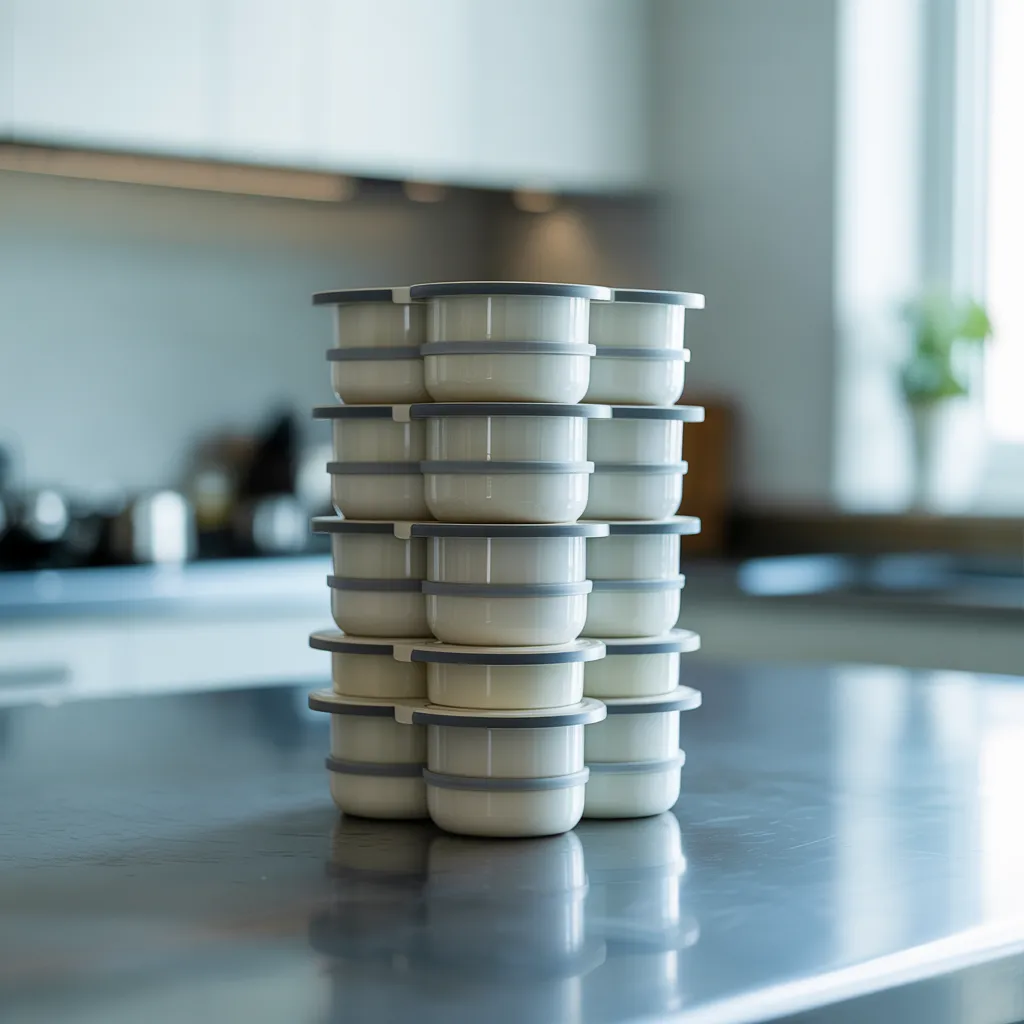
Why the Right Container Choice Matters for Homemade Yogurt
Selecting the right container is essential for storing homemade yogurt. The container's structure and material can significantly affect the yogurt's quality and longevity. A appropriate container aids in maintain the yogurt's texture, flavor, and nutritional value, stopping contamination and spoilage.
Moreover, the size of the container plays a crucial role; it should be properly sized to minimize air exposure, which can cause off-flavors and spoilage. Containers that are too large may allow excess air to enter, while those that are excessively tight may result in pressure buildup.
Moreover, convenient access is an essential aspect. A container that allows for simple scooping or pouring can foster regular consumption while minimizing mess. Proper sealing mechanisms also are important for preserving freshness and blocking odors from other foods. Finally, selecting an appropriate container ensures that homemade yogurt remains tasty and safe to eat for as long as possible.
Best Materials for Yogurt Storage Containers
While selecting containers for yogurt storage, the selection of material serves an essential role in upholding quality. Glass containers offer advantages such as non-reactivity and superior sealing properties, while plastic containers introduce considerations related to potential chemical leaching and durability. Understanding these factors helps in making educated decisions for optimal yogurt preservation.
Glass Container Advantages
Glass storage containers deliver numerous benefits for homemade yogurt, making them an optimal choice for anyone aiming to preserve quality and taste. They are non-reactive, ensuring that the yogurt's taste remains unaffected by any chemical leaching, which can occur with some other materials. Moreover, glass is impermeable, blocking air and moisture from getting in, consequently extending the yogurt's storage life. Glass transparency makes it easy to monitor the yogurt's texture and freshness without having to open the container. What's more, glass is resilient and can be used multiple times, making it an environmentally responsible option. Finally, many glass containers come with airtight lids, which provide an extra layer of protection against contamination and spoilage, ensuring that homemade yogurt remains fresh and delicious.
Considerations for Plastic Containers
Plastic containers offer a practical option for storing homemade yogurt, particularly for those seeking light, flexible alternatives. When selecting plastic containers, it is crucial to consider materials that are safe for food and free of BPA. PP (polypropylene) and PE (polyethylene) are commonly recommended, as they are resistant to cracking and durable. These materials are also less chemically reactive than other options, ensuring that the yogurt's flavor remains unchanged.
In addition, containers must be airtight to ward off contamination and prolong freshness. See-through plastic choices enable easy monitoring of the yogurt's condition, while opaque containers can safeguard against light, which may deteriorate probiotics. Lastly, picking containers that are dishwasher-safe can simplify the cleaning process, making yogurt storage more convenient for home cooks.
Choose the Correct Container Size and Shape
Selecting the right container size and shape is vital for effective yogurt storage. Optimal portion sizes can help maintain freshness and reduce waste, while the shape of the container can influence how easily the yogurt can be accessed. Understanding these factors guarantees a practical approach to yogurt preservation.
Optimal Portion Sizes
When choosing container size and shape for keeping homemade yogurt, one should consider not only the amount of yogurt produced but also the intended consumption frequency. Smaller-sized containers, typically ranging from 4 to 8 ounces, are ideal for people or families who consume yogurt daily. They allow for easy portion control and limit exposure to air, which can impact freshness. For those who consume yogurt less frequently, larger containers of 16 to 32 ounces may be more practical, limiting the need for multiple containers. However, larger sizes can lead to increased spoilage if not consumed in a timely manner. In the end, selecting the right portion sizes can enhance convenience while keeping yogurt quality over time.
Factors Regarding Container Shape
The container's shape serves an important function in yogurt storage and can influence both preservation and usability. Wide-mouthed containers allow for simpler access for scooping, while those with a narrow opening may be better suited for minimizing exposure to air. Tall containers help preserve the yogurt's consistency by reducing surface area, which limits oxidation. Moreover, the choice between round and square containers can affect storage efficiency within a refrigerator. Round containers often fit neatly into corners, while square containers can optimize space through stacking. In the end, selecting the right shape depends on personal preferences for accessibility and the refrigerator layout, guaranteeing that homemade yogurt remains fresh and ready for use.
Appropriate Sealing Approaches for Preserving Yogurt
Properly sealing homemade yogurt appropriately is essential for maintaining its freshness and stopping contamination. The choice of container plays a significant role in this process. Airtight containers, preferably glass or BPA-free plastic, are suggested for effective sealing. Before sealing, it is important to verify that the yogurt has cooled to room temperature, as hot yogurt can generate condensation inside the container, causing spoilage.
For sealing purposes, users need to apply a well-fitting lid to minimize air exposure. Additionally, placing a layer of plastic wrap underneath the lid can create an extra barrier against air and odors. For greater batches, portioning yogurt into smaller amounts can allow for better sealing and lower the frequency of exposure to air. Routinely checking for indicators of spoilage, such as off odors or mold, is essential as well. Appropriate sealing techniques will help prolong the lifespan of homemade yogurt and keep its flavor and texture.
Methods to Extend Your Yogurt's Shelf Life
To preserve homemade yogurt fresh longer, a number of key practices can be implemented. First, it is important to store yogurt in airtight containers to reduce exposure to air, which can result in spoilage. Glass or BPA-free plastic containers are ideal, as they don't retain odors or flavors. Furthermore, yogurt should be refrigerated quickly after cooling to stop bacterial growth.
Maintaining a steady temperature is essential; yogurt should be stored at or below 40°F (4°C) to prolong its shelf life. Minimizing temperature fluctuations by not constantly opening the refrigerator can further help maintain freshness.
It is also recommended to store yogurt separate from strong-smelling foods, as it can pick up odors. Finally, labeling containers with the preparation date can assist in monitoring freshness, guaranteeing that the yogurt is consumed during the recommended time frame for ideal taste and quality.
Regular Pitfalls to Prevent When Storing Yogurt
Though many might believe they are storing yogurt appropriately, numerous common mistakes can harm its freshness and quality. One critical error is not using airtight containers, which can result in exposure to air and bacteria. In addition, keeping yogurt in the door of the refrigerator is a mistake; the temperature fluctuations there can negatively affect its texture and flavor. Another common oversight is not labeling containers with the date of storage, making it tough to track freshness. Furthermore, using metal containers can produce a reaction that alters the taste, while glass or BPA-free plastic is preferable. Last but not least, exposing yogurt to light by storing it in transparent containers can degrade its quality over time. By steering clear of these pitfalls, individuals can make certain their homemade yogurt remains as delicious and nutritious as possible, extending its shelf life and preserving its unique flavors.
Questions & Answers
Is Reusing Yogurt Containers for Storage Acceptable?
Yes, yogurt containers may be repurposed for storage, provided they are properly washed and disinfected. This practice helps minimize waste while allowing for convenient storage of different food items or other household essentials.
How Long Does Homemade Yogurt Last?
Refrigerated homemade yogurt usually stays fresh for up to a two-week period. Always inspect it for spoilage indicators like strange odors or abnormal consistency prior to eating.
Is Glass Superior to Plastic When Storing Yogurt?
For yogurt storage, glass is typically regarded as superior to plastic. It remains non-reactive, blocks odors, and preserves temperature consistency. In addition, glass containers offer better environmental sustainability and withstand repeated use without breaking down.
Can Homemade Yogurt Be Frozen?
Indeed, homemade yogurt can be frozen. Nevertheless, the freezing process may change its texture, resulting in a grainier texture when thawed. It's best to use frozen yogurt in smoothies or recipes rather than consuming it plain.
What Indicates That Yogurt Has Spoiled?
To find out if yogurt has turned bad, it's important to examine for off odors, abnormal pigmentation, excessive liquid on the surface, or mold growth. If you observe any of these signals, it's recommended to throw out the yogurt.